Wrote this in June of 2023 for something that didn’t go through. Enjoy and happy new year
Been Had Polo by Jose Hustle (Rasheed Walker), uploaded on YouTube on March 11, 2009
The video moves across a black teenager room, surely filmed by a friend, where Hustle opens his closet, drawers, and his own more personal belongings to document just how much Ralph Lauren Polo he has to flex on us and probably another classmate, Young Dro (even saying as much in the video description):
“The New Been Had King Jose Hustle ‘Been Had Polo’ young dro diss”
This level of attaining status for a teenager raised up in black culture now feels impossibly naive. Simply put, this video could not work in 2023. Gone are the days where non-rappers or celebrities can show off at school or back home with the clothes that we saw on 106 & Park, MTV, The Source, or XXL Magazine where a fresh white-tee, New-Era flat bill with the tag popped, and a pair of Gibaud jeans could have you the talk of the hall. The distance between you and how Mike Jones carried himself was a trip to Mall (from half a year of allowance or working lawns). Partially is a nostalgic remembrance on the accessibility of 2000’s black self-fashioning subcultures, but also a worthwhile relic to honor the deeper beauty of what Hustle was a part of for 5 minutes and forever. What was going on aesthetically up until around the early 2010’s once hip-hop’s subcultural underdog turned into the global aesthetic throne it sits on now prior ruled by white men (which songs made by that demographic you just don’t hear as much from these days on main media platforms these days) can be embodied in the term “informal economies”.
Although the term usually pertains to “any good or service that is bought or traded outside of formal taxation, licensure, certification or regulation”, I’m expanding this definition into the realm of subcultures finding alternative avenues to outwardly express themselves without unlimited resource. Formal economies are backed by institutional or virtually unlimited materials to fashion an entire culture by. Think The Beatles being able to go live in India for a year to come out with a double LP album, Van Halen rocking out arenas in the 80’s, or whatever luxury items that could’ve only been bought in store on 5th avenue before the proliferation of the internet stores. For black folks, this sort of material access was out of the realm of possibility. Recently this notion is vanished, with Drake hitting 30 stadium-sized arenas annually and Travis Scott’s new album rollout consisting of a live-stream show at the Great Pyramids of Giza. Professional design culture and its money faucet was not accepting of black culture in the 2000’s.
‘Informal economies’, also known as a grey market, or underground economy, has previously been addressed with respect to Sub-Saharan Africa, with their hand-drawn movie posters and limited material access reflecting in their material expressions. Some might see a crude ugliness to those endeavors, but when one decenters the western perspective as a standard, a beauty emerges from something Ruben Pater calls “unlicensed creativity…born out of necessity under colonialism”, or what Brazilian author Andrea Bandoni calls “an expression of a collective improvisational spirit”. Venturing back to the Americas where colonialism behaves in a different, more subversive way, consumerist materialism was granted to lower and middle-class households and it’s here where brands like Tommy Hilfiger and Polo filled in this niche successfully.
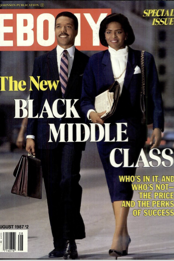
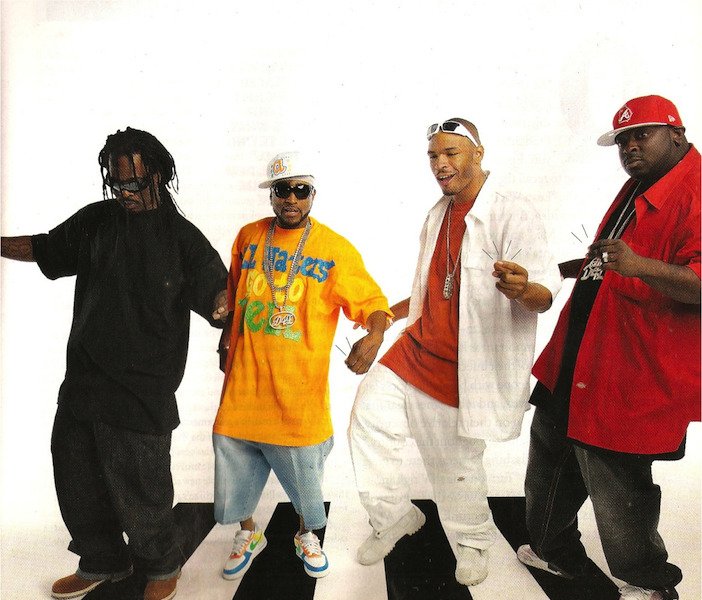
Another term for informal economies, coined by journalist Robert Neuwirth, is “System D”, ‘D’ standing in for the french débroullard, meaning resourceful. And it’s the resourcefulness that then teenager Hustle (now passed away, rest his soul) felt the urge to document and broadcast to not just Young Dro but for the entire world. Way ahead of his time, “Been Had Polo” is a core document of the American South’s last vestige of System D visual architecture. A prime example of the adjacent Global South’s relationship to power still carrying semblance inside dominant Black culture; Fruit of the Loom tees and 75-dollar Nike AF1’s now all but given way to luxury brands such as Balenciaga and multi-hundred, if not thousand-dollar, Grailed purchases.
Jose Hustle takes 5 minutes to rub his hands across the 20th century Black glass ceiling in his video listing his excessive mall purchases:
- 16 miscellaneous Polo shirts
- Christmas Polo
- Thanksgiving Polo
- Easter Polo
- Summertime Polo
- 2012 Olympic Polo
- Polo hoodie
- Butter Leather Polo
- 15 miscellaneous Polo tees
- Polo hat
- Polo travel bag
- 5 Polo undergarments
- 1 Polo V-neck bag (still in the pack)
- Polo boots
- Polo slippers
- 2 Polo jeans
- Polo flip-flops
- 5 Polo belts
- 3 Polo keyrings
- 1 Polo condom-holder
To situate this video in the confines of the black radical tradition (as playful as the video is, I wish to honor it in the ways I know how), there is a diasporic congruence of black-self fashioning that would not look out of place in the Caribbean or western Africa. Been Had Polo carries the resonance of Birney Imes’s collection Juke Joint or if Deana Lawson’s portraits of black life and its environment turned into motion and conversation. This abundant expression within confines many could see as meek or scarce is refused to the point that you forget there’s even a gesture of refusal at play. Something many cultural observers hadn’t yet the means to watch in real time, “Been Had Polo” becomes a document of youthful afrodiasporic literature and even a site of diasporic geologies, where as erosion inherently causes movement from the breakdown of blackness from Africa (weathering, in place breakdown) across the world, culture reconsolidates into a new object altogether. The syncretism of cultural sedimentary forces from various sources lithifies fragments previously having nothing to do with each other.
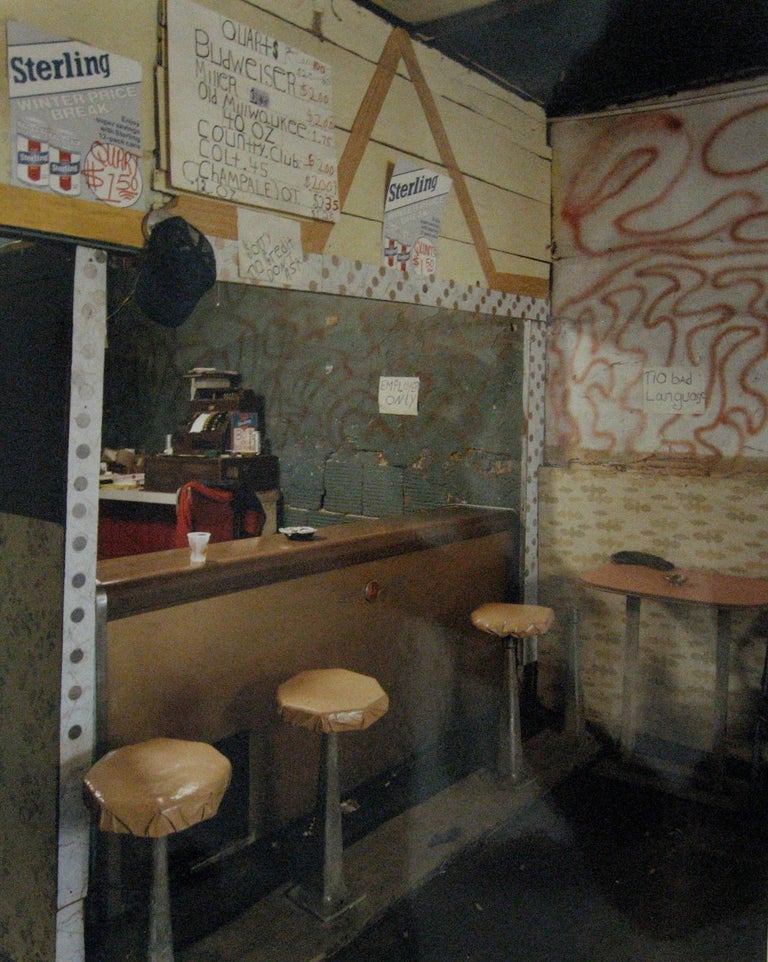
Birney Ives, “Evening Star Lounge” 1984
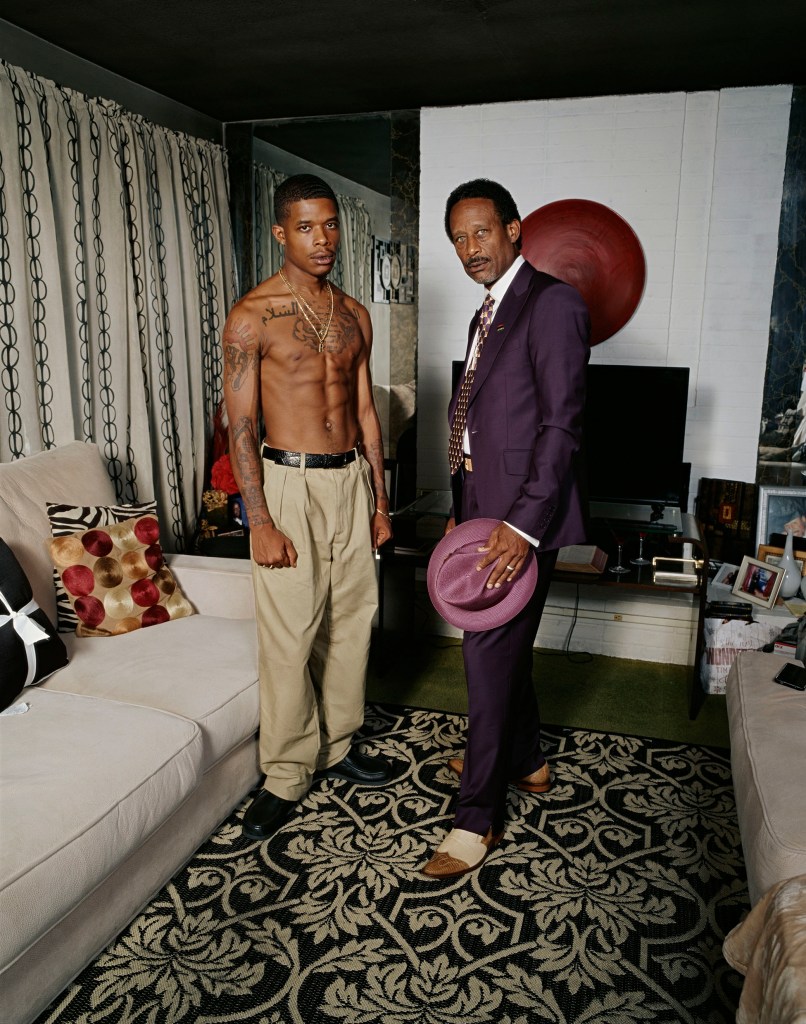
Deana Lawson, Barrington and Father, 2021.
This ritual of self-affirmation through looking good is nothing new nor unique to black people, but how it happened here and how it’s in relation to paths of self-love and discovery is nothing short of beautiful. I’m thankful that Jose Hustle saw it in himself so much so that he had no choice but to put it up on the internet for himself, and Young Dro, to see.
Rest in Peace to Rasheed Walker.
 Grey Over Blue