On Sorry Business in the Posthumous Rap Industry (2021)

an article i wrote from Hii Magazine Issue 1, peace 2 Spurge C. for the editing

They say someone is only truly gone when their name is spoken for the final time. What does this then mean for the many artists who’ve died years ago but “new records” and their likeness are being sold to us as if they are still here? 

R. Murray Schafer, an acoustic ecologist, avant-garde composer, and proliferator of the term “soundscape”, who recently passed away in August of this year, created a term in reference to the expansion of radio and the accessibility of recordings. The concept came to be known as “Schizophonia”, or the splitting between the original sound and its electroacoustic reproduction. In his 1994 book, The Soundscape, he described his fraught neologism even further:

“We have split the sound from the maker of the sound. Sounds have been torn from their natural sockets and given an amplified and independent existence. Vocal sound, for instance, is no longer tied to a hole in the head but is free to issue from anywhere in the landscape”.

When he created this term in 1969, radio was already a market leader in how western civilization listened to and broadcasted sound. Before radio, the marketability of sound was like most other commodities, a physical product to obtain before enjoying. With radio beginning its reign on Christmas Eve 1906 from Ocean Bluff-Brant Rock, Massachusetts via the first amplitude modulated transmission of “O Holy Night”, the material bifurcation between sound and artist (already tearing as it was with vinyl before) now split completely; no longer carrying a corporeal value, but considered an modern atmospheric resource to mine for advertising dollars. Since becoming a renewable energy, in effect, how has the music industry further exploited this schizophonia to reap the benefits of the sound of artists no longer with us? What does it mean to hear the songs, or voice, of someone who may not have even wanted for us to listen? 

One looking glass to peer into for a potential answer is the relation between Rap and radio. There are many golden ages with respect to radio but one of them was definitely late 20th to early 21st century; which occurred about the same time as the golden age of Hip-Hop in the early 90’s, soon giving way to Gangsta Rap of the late 90’s and the bling era of the early 2000’s. This moment is encapsulated by extravagant showcases of material wealth, McMansions on MTV Cribs, and a looming subprime mortgage crisis in the then near future. A little before the Napsters and Kazaas of the world put the music industry on notice to take evasive maneuvers, radio was where music lovers checked out the music they desired before buying. And they often did. Through DJ’s, like Funk Flex, who built anticipation as if it were a performance piece, stacked with reloads, explosion soundboard .wav files, and level peaking yells before playing the unreleased song in full. 100 years after “O Holy Night” transmitted along New England shores, radio became the main agent to accruing wealth for artists and label heads alike. This exponential expansion of Rap capital is still best understood and embodied through the music and (after)life of Tupac Shakur.

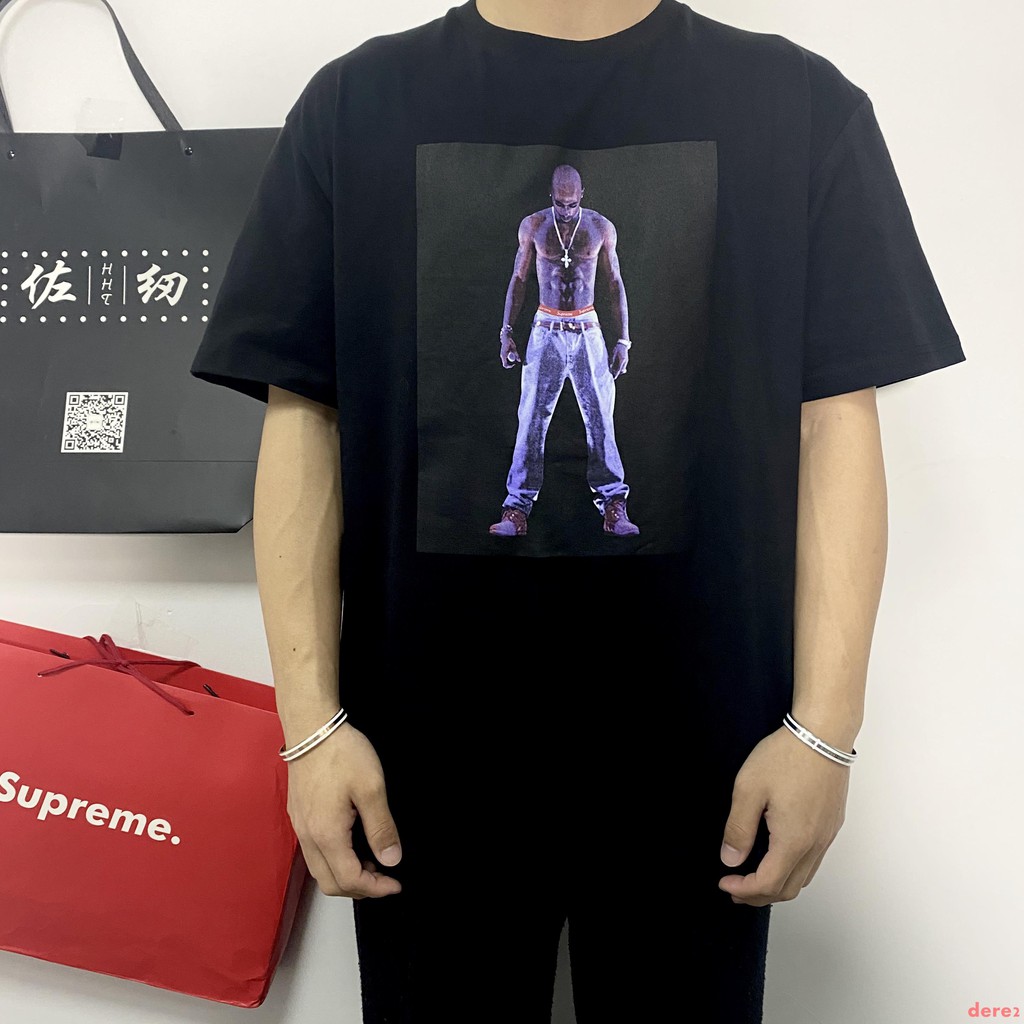
Shakur’s journey through the music industry is emblematic of how the late era capitalism’s meat grinder came to black cultures’ doorstep— enticing fame and fortune under the stipulation of total dominion of self, likeness, and voice. Since Shakur’s death (and the three albums released while he was alive), six albums totaling 147 more songs, have been released. Tupac’s cultural counterpoint, Notorious B.I.G, had his second studio album “Life After Death” released sixteen days after his death– thus beginning the undead rivalry between the two that continues to this day with docuseries and unreleased songs still stoking the flames of a long forgotten label war. Music labels have looked to this now decades-long example as a blueprint for extracting value out of the dead artist, as is shown with more recent passings like Juice WRLD, XXXTentacion, and Pop Smoke. This posthumous culture, particularly surrounding dead black men, has proven to be a massive success for the labels that signed these artists, with 2pac (as a brand, not as a man) reaching the Forbes’ Top 25 list thirty years after his passing. His paranoia of death often found in his lyrics has been recomposed by Universal Music Group to resemble a Nostradamus type beat– haunting lyrics of a tortured writer predicting his death years before with coded language found in his new unreleased batch of recordings, on sale now. 

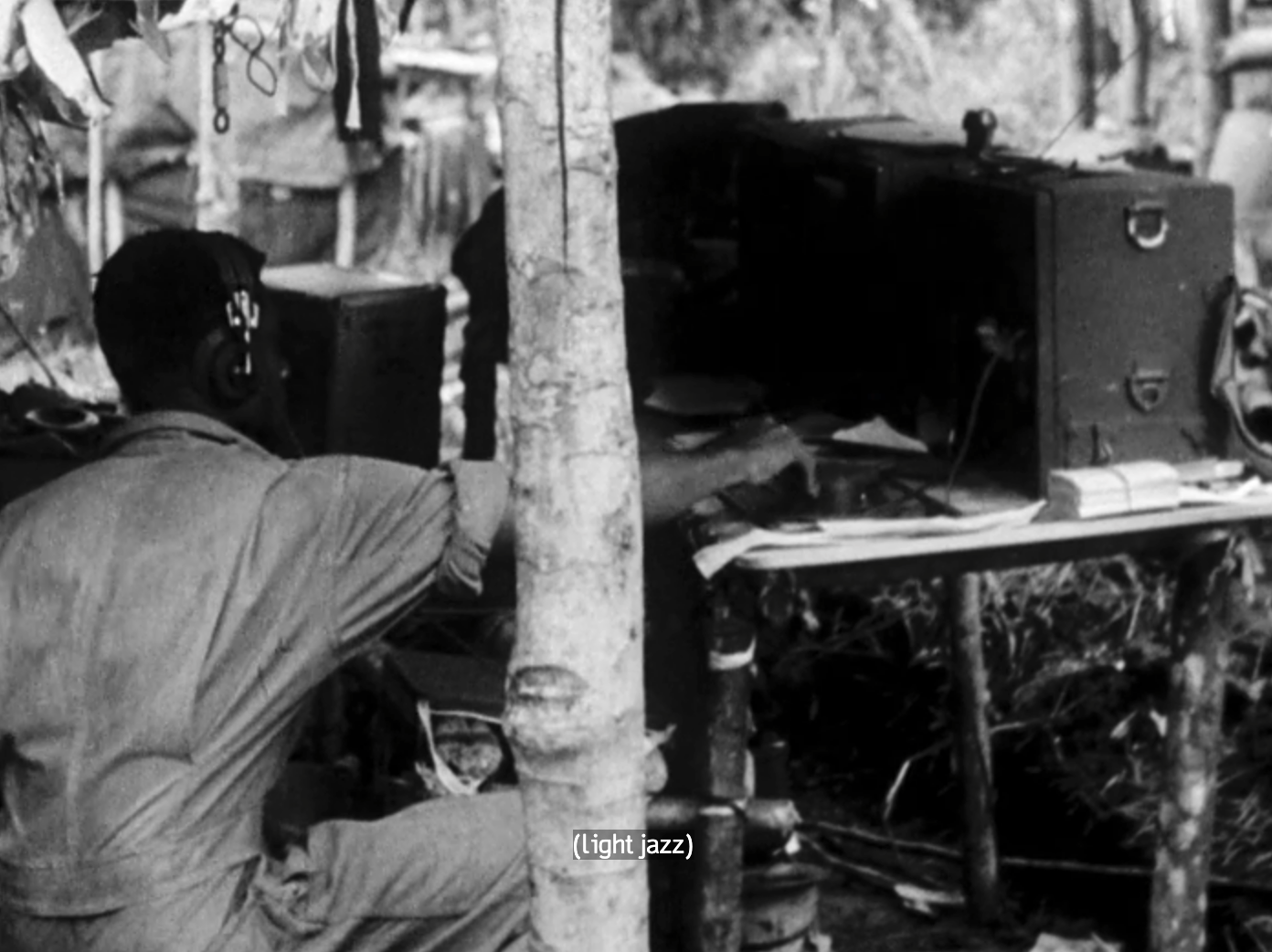
Such capitalistic hunger reverberating through voice detachment and exploitation existed well before the untimely death of Shakur in 1996, even spreading into sonic based imperialism. In 1970 at the height of the Vietnam War, the US employed “Operation Wandering Soul”, a psychoacoustic war tactic that hoped to tap into Vietnamese culture of belief and rituals of their deceased. Vietnamese culture often calls for a burial in the person’s homeland and if an improper burial takes place, then the wandering soul will venture aimlessly in suffering. U.S. sound engineers spent weeks altering voices into ghostly cries impersonating lost VietCong souls asking their countrymen to defect and cease fire. This mixtape, dubbed “Ghost Tape Number Ten”, was installed at military bases and attached to helicopters as psychological propaganda. (Source)

Another form of colonial abuse of non-western sound cultures lies in Australia, in the business relations of Australian settlers and the Indigenous Australian Peoples. Indigenous Australians have a deeply rooted structure in their grieving process of deceased loved ones. This structure, better known as avoidance practices, can span from averting the gaze of a member of a family whose loved one has recently deceased to not referring to a deceased individual by name, out of respect but also as it would be too emotional for the grieving family. Since the proliferation of media in the 20th century, this has extended into pictures, video, and audio of the individual captured. Many documentaries and Australian media often come with the disclaimer, “The program may contain images and voices of such people who have died”. During the initial settlement of Australia by Europeans, forms of Sorry Business, or a series of bereavement protocols noted in Indigenous Australian culture, had to be explicitly written into the law as there was an immediate refusal from Indigeous Austrailians to participate in any non-sorrow centered activities during the grieving period. Some examples are not addressing the day that a family member had passed on or not referring to the recently deceased owner of a business one might have been in dealings with prior to their passing. Although ratified by law, many of these practices were often disregarded or outright abused to further the extraction of land and resources many of the Indigenous Australian people used for their livelihoods. This neocolonial death marching theme has found itself from 17th century imperialism to our Spotify playlist. 

Such avoidance practices are not absent in American culture either as we often hear posthumous grievances from surviving loved ones, if not from the musician themselves. Prince explicitly spoke to his own avoidance practice, demanding that no more records be released after his passing. This, of course, was not heeded as three “unreleased” albums have been released since. Tupac’s voice and life extended into projects and albums he had never probably imagined, featuring on tracks alongside Elton John, Dido, and Kendrick Lamar, the last of which “interviews” him on his 2014 sophomore record, To Pimp a Butterfly (working title once being To Pimp a Caterpillar (Tu.P.A.C)), 18 years after his death. Juice WRLD became a platinum selling artist after his passing. His body of work seems to be more valuable reanimated than alive. Although other genres are culpable, Rap and the industry that sells Rap seems to have a fascination, if not all out obsession, with these undead sounds. Because their child signed their likeness away, many grieving families often go through their own avoidance practices; hoping not to hear their child on the radio, an award show, movie trailer or in increasingly less extreme cases, a hologram performance. 

But these examples are not the only pathways in which labels and families acknowledge the life and afterlife of an artist and their creative output. Jasmine Dumile, the wife of Daniel Dumile, better known as MF DOOM, announced the passing of her husband on New Years’ Eve in 2020 at the age of 49 with DOOM actually passing on Halloween months before. Public expression of a family member’s death months after provides close ones time and space to process without the trained eye of fans and media following those grieving at their lowest. In DOOM’s case, it only further perpetuated his irreverent preoccupations with  anonymity, mythology, and subcultural subterfuge. What might be seen as an ever playful attitude towards the music industry since he donned the metal mask in the late 90’s was surely his way to ensure personal agency and control of one’s own life publicly and privately. This mindset with DOOM only continues in his wake. Records released since his passing have been in the single-digits with no talk of any future plans on the horizon. On track for a man who was oft-late to the party, if he decided to show up at all. 

 By introducing a waiting period after a death, a more ethical approach towards honoring one’s humanity (and voice, by extension) is possible through establishing clear boundaries of being for your favorite artist no longer with us. This practice could provide a means to rid ourselves from a culture of consumer entitlement even if the producer in question is dead. Such a practice can allow listeners to form a more material connection to what they’re hearing, where it came from, and its finality. The opposite path leads us to a life’s work condensed into a flattened object, designed for consumption. This framework introduces a neoliberal psychedelia around the work of an artist, purely churning itself out for the audience’s short-term attention span in hope that one more piece of “content” will make them forget they signed up for a 7-day trial period using their credit card. Perhaps it’s the embodiment of the streaming era where entertainment has pivoted to attrition cloaked as something worth our interest, but this road has taken us to a method of thought where it’s as if the listener can feel entitlement towards an artist in the afterlife. There is seldom a call for reflection on what it means for an industry to peddle “new material” from an artist who has been dead decades, never needing to come to grips that this voice is gone because in some ways, it isn’t. Or at least not yet. 

Hearing your child’s voice years after their burial can be its own exhumation. Wandering souls fill up our playlists often without recognition, much less consent. In a way, these artists are very much still with us— releasing new albums or works not available on digital streaming platforms now announcing their release as if it’s a new product we haven’t had access to for decades. It starts to be hard to mock conspiracy theorists too hard when the thin space between reality and the parasocial relationships we construct with an artist both before and after their death is now virtually nonexistent. But for those that knew these people, these mere electroacoustic reproductions are filled with emotion, home video flashbacks, first times, last goodbyes. This Sorry Business with respect to the posthumous album is an unapologetic machine, chugging itself through the people and families of those who only wish rest for themselves and their loved ones.  

æolian listening between word and the horn

an old writing that was originally shared in Baton Rouge’s Yes We Cannibal’s 2022 Zine . Not even sure how compatible this piece is with where my head is now but shout out to personal documentation

My thought for today is that Fred Moten is Ornette Coleman, or at least Moten is playing free jazz as often as he can when creating his works– those clearly defined as poetic or otherwise. In December of 1960, when Coleman recorded Free Jazz: A Collective Improvisation, what we heard was a two-quartet conversation with no preset key, perceived tonal system, or melody. Many at the time didn’t understand how this could be considered lyrical or that the headiest of jazz had reached its intellectual precipice with Coleman. That jazz left the body purely to reside in the brain. But to his ears, he was only playing the blues. Listening back to Free Jazz, if you think about melody in terms of reaching tonal catharsis or bounding within a chord structure, many “wrong notes” are being played as we’ve come to understand musical wrongness. If we were to even fall in line to such logic, Miles Davis already had a saying:

“It’s not the note you play that’s the wrong note – it’s the note you play afterwards that makes it right or wrong.”

Listening to Coleman, or Free Jazz in general, is now a much more widely understood area of the black music continuum. Very little conversation is ongoing whether it’s something to “get”. For someone who listens to Coleman, I’ve come to the personal understanding that it’s not about “getting” every musical idea but to feel to wholeness of it, or to enjoy passages as they come and the density of ideas aren’t necessarily designed to be understood (as we understand certain songs and their utility (as ear worms or recitation)). Not “getting” something might also be of the functioning points of Free Jazz as a concept, a music that cannot be captured wholly and is therefore as present as something must be since its near impossible to contain it within a jingle, traditional song structure, etc. Like the politics within and surrounding Free Jazz during the time of its current creation, you must approach this music on its terms or nothing at all. Once you cross that hurdle, there’s so much you realized you’ve let go of without realizing.

For Moten, the same process has finally come to me. As someone who has spent their entity of their understanding bounded within the conceptual regalia of STEM, stumbling on Fred Moten’s work was both a catharsis and a deterrent. Listening to him in lectures was such a joy and gave me so much enthusiasm to find a space within it, but once I read his written word, I imagined the black gatekeeper turning me away until my .pdf folder was this tall to ride. It was only until just a couple days a friend of mine spoke to me in a discord channel after watching late-night youtube reruns of Black Journal with me bringing up this downtrodden dilemma that she said something that cracked my whole understanding wide open: “oh, he said he likes it when sentences don’t make sense, that’s where reading begins with him”. I immediately thought of Coleman merely expressing his thought that he only playing the blues. Because he is! Really they both are. Moten, like Coleman and Free Jazz writ large, is in conversation with the black music tradition and what we’re hearing is one side of a very old (or non-linear) conversation. Moten has transmuted the feeling of free jazz into the English language. Bending notes, playing the “wrong chord”, atonalities, it’s all there. Even through his collaboration with Stefano Harvey, he’s only playing music and we’re reading the notation on the page. Probably another reason why people have often said his lectures “land” more than his books for so many.

Another lens to peer this thought I’m floating through is finding a relation between the aleatory, the creative, and the meaning found for in different cultures. In music, the two minds that spring up are John Cage and Anthony Braxton. Cage has spoken at length about his connection with aleatory, or chance, music—notably in 4’33 with the chance variable being everything not on the page becoming the composition; the room ambience, cleared throats from the crowd, even the page turnings from the orchestra onstage (as the composition does follow a metered notation). Braxton has been on the otherside of this chance music and instead as prompted his own understanding of improvisatory musics under the moniker “creative music”, which he’s describes as an open, or language, music that give performers room, not chance, to include themselves in a composition, notated or otherwise. A linguistic analog between this dichotomy of music might be Moten’s possible jazz approach to the king’s English and William S. Burroughs popularized découpé or cut-up technique. The cut-up technique is also an aleatoric (albeit Dadaist in origin) process where written text is cut-up and rearranged forming a wholly new text. Speaking with another friend, they first assumed Moten was himself applying this method to his works, but personally I think it falls in line with Braxton and Coleman’s approach to their own relatively warped way of playing the standards: once again finding yourself in a conversation with tradition of feeling, but refractive enough to look completely different.

The connective tissues between musicality and language that both Ornette Coleman and Fred Moten seem to inhabit dematerialized the panoptic black gatekeeper for me. I stopped taking the density of his work so personal. Something about reading and finding frustration not exactly knowing what it is you’ve read is an almost preternatural response for so many. But we’ve gotten over this feeling and just decided to understand through feeling with Jazz and although I might be behind the bend with these thoughts, I’ve allowed myself to feel the words on the page the same way, even when it’s stamped as a critical text. Confusion doesn’t always have to be a bug, it can often be a feature to find where you reside within it. It’s all jazz.

Cathartic Transcendence

here’s an interview I did with Kelela for a euro magazine back in february (edited):

Kelela (00:00): Hey, Ryan.

Ryan C. Clarke (00:01): Hey, Kelela.

K (00:49):
Yeah, thank you so much for making this happen. I’m so glad that you’re the person to do this. It’s perfect.

RC (00:57):
Yeah. I’m so excited, and I feel like we sometimes, somehow, orbit in similar capacities. So to finally make the time for a direct contact is exciting. I’m very happy. Thank you for making the time.

K (01:17): A pleasure.

RC (05:29):

I had to send these questions a couple days back, about a week ago. I was sent the album in advance. I listened to it last night and again this morning where now I have a completely different group of questions.

In the beginning you kind of get this dive in and then you start to hear the sound of water more explicitly, and a kind of bubbling back up reprises near the end if not the last song.

Much of the text of the record seems to deal with the ruptures that darkness can produce. Almost a potential, a possibility without surveillance. To be in the dark. A lot of this deals with nightlife and dancing, but those thoughts aren’t necessarily about what the music is saying. Not so much “pump up the jam” or a song strictly around an unrequited love, but a possible phenomenon that has potential to produce something new. And I was thinking about the Raven, but also the Phoenix having this idea of self-determined actualization.

K (07:37):
The record was going be called Phoenix before it was called Raven.

RC (07:40): Word <laugh>

K (07:41):
Phoenix is so played out. We can’t, I can’t.

[For the title track,] I wrote the lyric as Phoenix initially, because that’s what I’m talking about, is that experience. Topically this is a pretty dark album or it’s really like confronting something, and it feels heavier. But at the same time, it’s about like the liberation that follows the confrontation. It’s really about the release. It’s confronting and it is dealing head-on with some things. There’s a lot of boundary drawing.

There’s this delicious catharsis and a feeling of, I want to say triumphant, but that’s a little too conclusive. It’s more like we got through that. We made it through that. The implication is if we can get through that, we got this. That’s an ethos that I am wanting to champion and what you’re hearing at the end is like the sound of me coming out, you know?

RC (09:44):

Yeah. I kept writing down, “self-determination”, throughout so much of it. Through all this labor, I’m reborn. I am becoming by having to deconstruct your past self and all the systems that were imposed upon you to really start to rebuild a new sense of self.

For this record, how did you reconcile the weight of time between Take Me Apart in Raven, where in the interim you might’ve understood yourself to had become a new person or carried new sensibilities about who you wanted to be and how you want to portray that?

K (12:32):
There’s so much continuity. Since the beginning have never been like responding to the times or doing anything that’s like, feeling on trend. It’s just never felt like related to what’s going on around me.

There’s like a topical disadvantage in that, but I think the long-term advantage is timelessness or the feeling that it isn’t related. I feel like I could release any song of mine that I previously released at any point and it would feel like new music.

That gives me a lot of comfort in a continuity or thread that feels clear and good. Even though when I listen to Take Me Apart, there’s things that I’d be like, “hmm, I wish I could change that.” But generally, I’m feeling like they really match the fuck up, you feel me?

I think there’s something about leading with vulnerability and that kind of being the ethos since jump. Sonically, there’s nothing I really would shift or change from Take Me Apart to this… there’s definitely growth. It’s the beginning of the sentence and [Raven] is like the period.

I love a story that’s built over time. My project is to reveal that in this beautiful order that, that like makes sense as a narrative that also speaks to where we’re at. Not on trend, but responding to what is rather than what we, what everybody, wants to hear. What [feels] appropriate for this moment, for me, that’s like a big part of why I put the music out that I put out when I put it out.

RC (18:01):
I feel this kind of larger arc and there being arcs in the arc of how you’re playing with storytelling.

Most evident is this sense of longing, ideas of catharsis, release, or moments of transcendence. And then having to investigate what those perceived moments of transcendence might mean for your own emotional or relational health.

It’s like you’re a mirror looking back at a mirror, looking back at a mirror, looking back at a mirror to make sense of the interior while experiencing the exterior. In a more simple way, it’s like crying in the club, you know, like you’re having a beautiful time, but also like you’re going through some real shit.

K (19:14):

A hundred percent. There’s two ways that the club does its thing— one way is the escapist realm, and the other route is the one you’re talking about right now. The tears in the club framework and as an artist, one thing that I’m trying to do is for my contribution to help people confront what’s real.

[The] catharsis in that is I want to have to my songs in the club and you should wake up feeling better in the morning rather than, “I’m mad that that’s over and that I’m back at that real life.” It should be like, “the club helped me deal with my real life”.

There’s some of us who are using the club like that. There’s a devotion that’s coming from that place that’s giving church vibes. I would say that’s something that’s important to me… being like a sonic in a way that helps you get into what’s really going on rather than out of.

RC (21:38):

Yeah. It’s not an exit. Hopefully you’re entering something else. In that way, the question might become how I introduce people into a tradition or a better relation with this space where you might currently carry a poor relation to the club.

K (22:58):

Exactly. One of the other things that I can say I’ve done is my music feels seamlessliving inside and outside the club. I’m not trying to say I’m special or whatever, but it does feel like there’s a way that I do it that’s different. There’s a way that I make it for both. I also I don’t think that people are making vocal music for the club until very, very recently. That was the intention for me the entire time.

RC (24:25):

In the video for “Happy Ending”, it looked like you found an interest in making your connections to a larger community more explicit where you’re no longer a singular artist on stage but part of a collective. How did you make sense of that?

K (27:01):

Previously on Take Me Apart, I was more, interested in being a bridge and straddling two worlds, where now I feel like I am less interested in the bring in and more interested in serving the people who have always been front and center. Quite literally at the shows…never not getting a reference that I throw out. With queer black people, there’s nothing that I do that they don’t get because of the intersections. I want to serve and center those people but it’s not as simple making them be pleased sonically, you know what I mean? And thinking about them as me.

Part of how I came to understand the way that music is so racialized is in the way that we think about white sounds and how black music and blackness sounds has been usurped by everyone and just what that means for all of us. It’s something I’ve thought a lot about when I would be making music. I’d be trying to literally create a balance between having enough elements there for the heads to have their moment while

also having enough there for the vocal girls to also have their moment. [For my music] to feel like that was my dream because we never get both at the same time.

RC (31:00):

That’s very considerate of you. A tending to. “This is what I have for you. I hope you enjoy it”. Kind desire.

K (31:20):
Literally what it is. I feel like I was doing the most before. Like I said before how I was trying to straddle these two places, right now I’m just kind of like sitting where I was standing.

It feels way better and maybe the key to bring people in is sitting where you stand <laugh>. And then niggas just show up! I just felt the urge to try and in a way that’s like also low key uncomfortable. To be that feels like that’s a courageous point for me. If I’m being honest kind of, it’s kind of scary to not be trying to strike some sort of literal balance.

When I think about choruses for example, one of the things that I said was I’m going to use this project as a way to affirm myself. I didn’t know how it was going to sound, but I was like, we got to make that our process, at the very least, since I’m the boss bitch of this whole thing.

So why should I feel inadequate when it comes to my process or how I make things? I’ve never looked too hard at what other people are doing, obviously. I mean, that’s probably obvious, I definitely have felt the pressure from like within music business where capitalism and art intersect. People are starting to make songs that are shorter and have one word in the chorus as if you can’t have too many words in the verse.

It’s giving least common denominator and a pattern that’s gotten fiercer in the digital era. There’s cool innovations and things that can happen when people are working under that type of constraint so I’m not saying all of that is bad, but I am saying that there is something lost.

I’m not going to write with any other songwriters, official songwriters. I think I make cool music without other pop songwriters. There’s a way that whiteness and maleness and can breed some sort of inadequacy. Not enough around seeing of how we’re doing it, how we do it, how it just comes out. It oozes out of us, but that refinement comes from someone at someone else somewhere else and it’s usually a white body.

RC (36:22):

Using the word refine is pertinent. Thinking of how a refinery refines; there’s nothing like refined about refining something. It’s something that’s often violent, messy, and not asked for. To realize that you don’t have to agree to basically like larger systems of refinement, that you can reject that tradition where the trend lines are going with popular music. It’s tricky as what we’re talking about is about the catchy things that people do in music. So, the more you look at it the more insidious you really see these actions of making something catchy is. Almost something too extractive or too exploitative.

K (37:26):

These songwriters, they sit in the room, and they’ll just go through their phone all in their notes of all these like, catchphrase things that they heard people saying. You know what I mean?

RC (37:36):

In refusal of that finds oneself in a different kind of continuum. After finishing the record it made me think of A Guy Called Gerald. Black Secret Technology or something in the hardcore continuum where it was produced with no interest in contributing to the characteristics of what a mainstream album wants to sound like. Not even what sounds like, but how it was made, like almost from like a material place.

K (38:26):
Can you tell me more about what you mean by that?

RC (38:36):

Raven seems to not be performing the gestures of how a popular song is supposed. For example, there are no chorus that literally sounds louder than the rest of the track for radio play or the chords aren’t resolving in ways that feel overly familiar or it’s not mixed with a certain brightness. It’s clearly not interested in that. And I can understand people feeling like the mix doesn’t sound right and it might be a little muddy, but it might be trying to do something different? It might be trying to engage with a different tradition that to me sounds more like what a lot of UK or Detroit techno people were doing and how they were making another aesthetic.

K (39:32):

There is a dirtiness. We’re definitely in a digital hi-fi moment. It’s just not the only place that I situate sonically. There’s a little bit of that on this record but there’s an analog approach to digital music. It doesn’t feel committed to the current dominant sonic aesthetic that people really feel drawn to.

Me and my girlfriend sometimes we have this relationship when you are in a period where you’re wearing your hair straight for a long period and even though it’s really cool and fun to play with you feel like you start to rely on it. Almost like you don’t feel good with your natural self. So we just stop it.

Soon as I feel like I can’t not do that thing, if it’s like wearing makeup or anything that like brings us closer to desirability as if I can’t appear without it, I sort of just practice pulling away from it a little bit. And I would say that this is how I treated this record was kind of that for myself. If I thought I was feeling an insecurity what it sounds naturally come out of me, I think is something I need to really get into and confront that.

RC (42:02):
What I’m thinking of is self-possession.

K (42:07):
I’ve never used that term. How do you think about that?

RC (42:16):

Choosing yourself, embodying yourself. Not getting so hyper-vigilant or becoming your own surveillance.

K (42:35):

Exactly. The messaging in this music will only be as powerful as it transforms me. If I make this a rich experience for myself, then it will spill over somehow. I know it’s not a direct or literal act but will be colored by that and that’s what people will inadvertently get.

In a way the intention [of this record] was less around the specific meaning like what this record is about, but that I want this to help me heal my relationship with perfectionism which is really white supremacy.

RC (47:24):

I like the idea that you have a desire to signal both inwards and outwards to that kind of self- determination, affirmation, and possession as path to connect with your people. Fred Moten calls it, the consent to not be a single being and I think that that definitely happens in the club. Like music, we can also use the environment of the club to like really to start to gesture at those ideas. We can form a collectively distributed mind where we’re all interested in like possessing ourselves. Not each other because we’re not owning each other, but in the way that we truly believe in like each other’s actualization. That can build its own thing.

K (48:59):

With “Washed Away”, what I kept saying to my creative director is I feel like a fairy who’s like descending upon the story and being the narrator. She’s back descending upon the land to tell you the beginning of the story. [My friend] said it sounds like, “you niggas are worthy”.

That is literally what that song and what this record is meant to do. It’s really meant to center black queer people who have been clear about their marginalization and have been facing it with vulnerability to still wear their heart on their sleeves with that type of commitment to love. That’s a labor that black femme and non-binary people have been doing for so long. It’s something that I’m wanting to affirm.

RC (51:21):

These ideas begin to feel beyond the sound of the music where there’s articulated effort in the gesture of care. This is why I get frustrated about reviews since you’re merely in dealing with the taste of the thing where the core idea that this was shared for this intention to help someone on whether or not they can even fight for their own potential. That notion is more important than “I didn’t like the drums.”

K (52:20):

At the same time, it’s like also an invitation to engage why you don’t like the drums! There’s way certain systems guide so much of how people assess. Especially in journalism and the sort of pick me culture of like white adjacency.

RC (54:48):
Yeah. Well, they want you to kiss the ring and you’re not doing that.

K (54:52): <laugh> period.

RC (54:54):
Such a good conversation. It’s been such a pleasure. Thank you.

K (57:02):
So much Ryan. Really appreciate you and your time.

RC (57:05):
Same to you, same to you. Be well be easy and have a great afternoon.

K (57:12): Bye.

RC (57:14): Bye.
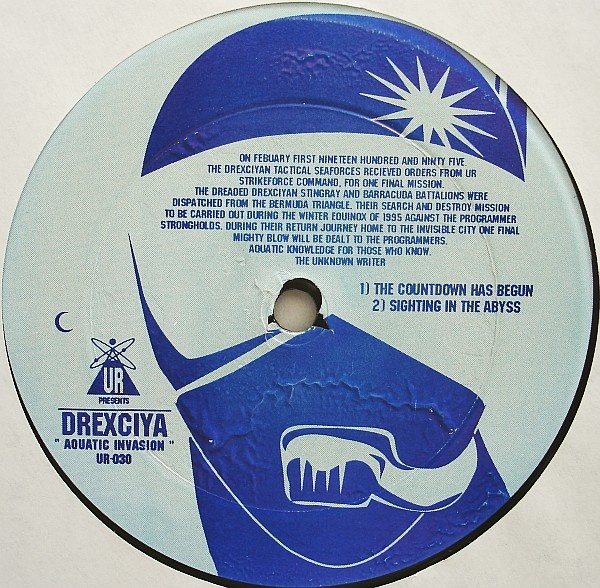
Let me tell you
prejudice hurts especially when its associated with the music
you love and the city you were raised in.It is for this reason
UR is in this war with the programmers – those kidz were
by the sight of 20 heavily muscled brothers who yes some were
gang members some x-members and now musicians,they were in-
timidated because the programmers taught them that all Brothers
that didnt have on silver shoes and didnt smile or laugh at
bullshit jokes and small talk were probably criminals ask
Mumia,Rodney King or Malice Green who effects programming
has on people.I am a very serious brother nothing that I do
or have done with UR is funny or entertaining,I am not a clown
and I will never tap dance on cue – I have never been pimped
and neither has my company,the moves and strategies that I
use are for one thing and one thing only – and that is to guar
tee that the programmers agendas and stereo-types do not
proceed into the next century!! Because it is these same
agendas and prejudices that nearly extreminated my mothers
peoples(blackfoot indians) and forcibly inslaved my fathers
Peoples for 400 years – so believe me when I tell you UR
some DEADLY serious shit!!!! there is very little for me
to smile and be happy about with the condition my people,
my city,my EARTH – MOTHER EARTH is in.All I can hope is that
music from our label can without words or explanations
knock down all the barriers (racial,economic,religous,etc)
that the programmers have cleverly set before us in order
to keep us from understanding that catergories and definitions
separate and with separation comes exploitation and profit!
I hope you can feel what I am saying – as I stated
earlier I am not very good on the net and I tried to xplain
as efficiently as possible what me and my label stand for
so that there would be no misinterpetations or
people putting words in my mouth.I am 33 years old and fully
capable of speaking for myself but I choose to use music
because men have been talking for years but always with
FORKTONGUE music is true and ultimately much more efficient
than all writtien language to this date – tribal people
have known this for thousands of years.WE are all tribal
people but some of us have strayed away from the talk of
the drum and they talk with words and languages that mean
nothing!

THE DRUM IS ALWAYS BETTER

-Mad Mike, 1995, Somewhere in Detroit

The Myth Of Drexicya

This essay was originally in Terraforma Journal #2 (Feb. 2022)

Around 3AM on September 18, 1989, James Stinson woke up in a cold sweat, stood up, and said, “Drexciya.” Later, he said “it felt like a tidal wave rushing across my brain.” From 1989 for the next 13 years until his unfortunate transition in 2002, James Stinson and his musical partner Gerald Donald established a world-building sonic fiction all whirling around this “other place;” a non-organic lifeform realizing itself with each passing day now finding itself spoken about in academic papers, twitter threads, various art mediums, and Discogs comments sections.

Drexciya, a world given life through matrix runout etchings on vinyl records, track titles, and the occasional liner note, speaks of an underwater metropolis founded by the offspring of kidnapped African women, thrown overboard and drowned. Stinson and Donald connect the horror of the middle passage, their home of Detroit, Michigan, to a frame of thought being produced concurrently with their output known as Afrofuturism, and first decide to dive into the seas before heading up to the stars. They create a counter-history that approaches, critiques, and produces language for people stripped of their humanity for the sake of technology and its economic drivers. Born and raised in Detroit, the connection between the automation and obsolescence of a populace for Stinson and Donald was not happenstance. Being raised in the wake of the mass-scale white flight of Detroit, most Black people in the city were under-resourced, unheard, and entirely othered from the concept of the “American dream,” This extreme kind of social class is known as the Subaltern: to be so underneath the society above that you have no voice to speak with. Through the foundation of Black suffering and its linguistic byproducts like electro and techno, Drexciya acts as a pristine looking glass to examine the idea of the subaltern. In other words, if the Subaltern can’t speak, can they make enough noise to be heard? And what of that deep noise? What are we hearing from beneath the depths?

Are Drexciyans water-breathing, aquatically mutated descendants of those unfortunate victims of human greed? Have they been spared by God to teach us or terrorize us? Did they migrate from the Gulf of Mexico to the Mississippi River basin and on to the Great Lakes of Michigan? Do they walk among us? Are they more advanced than us and why do they make their strange music? What is their quest? These are many of the questions that you don’t know and never will.

-The Unknown Writer, The Quest, 2001

The sort of double consciousness Drexciya worked within is emblematic of the underneath; for an entire people to be in shadow, underwater. How do we even conceive this idea as a people? These subnautical themes, presented through hi-tech means, such as the synthesizer and drum machine, harkens back to a (sub)textual effect of unspoken otherness.

“Subaltern,” Italian Marxist Antonio Gramsci’s term, expands the paradigm of the triptych superstructure we’ve come to understand capitalism: the bourgeoisie, proletariat, and lumpenproletariat, but adds an underclass beneath all three. The subaltern acknowledges an “underpeople” so forgotten, so on the fringes of society that it’s practically impossible for them to represent themselves—sentenced to only be re-presented for various uses for the other class. As modernism came to Africans in the 1600’s during the slave trade, these people were left without a voice and stripped of any power as immoral white businessmen chose to continue towards their soon-to-arrive economic jubilee. In the field, these humans were forced into synonymization with technology; a more efficient and economical means to expand the southern American industry. Within this hell, they continued to code their voice through musical reverence to their past, call and response tunes to pass the sweltering days.

Through these field tunes, Black musics grew more branches over the years with Gospel, Blues, Jazz, R&B, Rap, and House. It was at the then-newly midwestern sprouts of Techno where Stinson and Donald decided to configure their own sonic space to tune into the forgotten voice, and place it in a fully-realized otherworld. Writer Sylvia Wynter proposed in her 1992 paper, “Rethinking Aesthetics”, that rhythm is a recoding of time. Through albums like Harnessing the Storm and the Seven Storms Series, Drexciya used the marker of the hurricane as a metronome for such a recoding. The Seven Storm Series was James Stinson’s last forecast for Drexciya; to produce seven albums in one year, each one helmed by a different moniker on a different label. These seven records were said to make up a violent storm containing a wide latitude of melodies, rhythms, and concepts. Albums in this sui- generis tropical pattern include the sultry “Lifestyles from the Laptop Café” underwritten by a Stinson handle known as The Other People’s Place; while the much more intense LAB RAT XL’s “Mice or Cyborg” suggests a harsher methodology with techno and his ideas of R.E.S.T (Research, Experimentation, Science, and Technology). Stinson’s interest in water and rhythm produced an application where the use of both can breathe life into a space, fictional or otherwise. This type of thought is reminiscent of a 1996 VirtualFutures conference interview at the University of Warwick where Philosopher Manuel de Landa speaks on how hurricanes are a non-organic form of life:

It lasts long enough for us to give it a name. It assembles itself. It’s not living in the sense that it doesn’t breathe. But to ask it to breathe would be to impose an organic constraint on it. The thing doesn’t have to breathe, it doesn’t have to have a pulse. Even then, certain winds do breathe, say the monsoon, the wind that is most prevalent on the southern coast of Asia. It is a perfectly rhythmic creature: it blows in one direction for six months of the year, blows in the other direction for another six months, and every sea-faring people in Asia that made a living from the sea had to live with the rhythm of the monsoon. The monsoon gave those cultures their rhythm…It even has the beat that we tend to associate with our hearts.

It appears de Landa and Stinson had similar thoughts on how water can be understood as a rhythmic strategy towards a clearer perspective of the many worlds around us. As a submerged state, Drexciya asks us to find the liminality in life and our surroundings culturally, geographically, and geologically. Culturally, by applying a counterhistory of the fates of African people taken from their homes and placing them not as technological agents but back into humans in the eyes of many. Geographically, by granting us the underwater perspective to examine the culture of Blackness as it migrates across the Atlantic to the Gulf of Mexico, through the mouth of the Mississippi up into the northern American continent to then produce a global double consciousness. And geologically by contextualizing water as a force of Black nature, allowing for growth and erosion to be observed simultaneously and without judgment. Water meant a lot to Stinson, in many of his interviews he allows for water to be a primacy in his practice as it is nothing but a material force; nothing to hint at water finding itself in a binary, or even a spectrum for that matter—a discontinuous force. Forces purely can. Forces can simultaneously express both beauty and horror —softness and abject brutality. As one wades through the waters of Drexciya’s discography, one feels this opacity of force.

At its core, techno conventions can be described with the use of synthesizers, keyboards, samplers, and drum machines, and sequences are working around a generally repetitive 4/4 beat. Many techno artists use these tools to find their own voice in the rhythms and Drexciya was no different. They found liquidity within or completely away from this quantization. Outside of often deviating from the convention 4/4 beat or 4-bar structures (making much of their music more difficult to mix with than other techno), the particular use of their synthesizers substantiates their ideas outside of words and weave them into the infrastructure of the song itself at an almost molecular level. Writer Mick Harvey examined this subtextual motif through their use of an obscure feature in 1980s Japanese synthesizers known as oscillator cross modulation (OCM). OCM is the capability for analog synths to have two voltage-controlled oscillators within one body, allowing for multiple harmonics and timbers to be filters through whichever waveforms are being decided. This technique allows for ever-shifting tonalities to happen in place of a solitary wave, something many electronic producers have been using since its introduction with Sequential Circuits’ analog synthesizer Prophet 5 in 1978, but it often came across more so as noise than anything melodic. Drexciya used this technique in the ‘90s in such a unique way that it resulted in melodic phrases carrying beneath it deeply complex neotectonic harmonic bubbling and accents, raising the tension that much more. Said tension could also be inverted to something soothing if need be.

“It’s the difference in degree. Sometimes you might be going through some rough rapids, or there’s a strong undertow or whatnot. Or, better yet, maybe it’s just still,

very calm, a very gentle flow. So, when you’re making music it all depends entirely on which water you’re in.”

-James Stinson, 1999

The obscurity of water also lends itself to both concepts and what you hear on the records. Applying a liquid Blackness into techno through both practice and message aligns with what Dr. Katherine McKittrick speaks to the codes interlaid with Black music in general: “Narratives of imprecision and relationality interrupt knowledge systems that seek to observe, index, know, and discipline Blackness.”

Drexciya contributes to this space of nonlinear liquidity but practices this methodology alongside a form that is almost obsessive in its rote musicality. Doing so arrives the listener to a hyperstitioned soundscape of what it must sound like to divide by zero. And with Stinson and Donald’s deep interest in the sciences, it wouldn’t be a far reach to believe they were trying to find the musical equation that would allow them to figure exactly that out. The subaltern may not speak, but underneath all that capitalist detritus lies a water-laden world connecting the ocean depths, the dance floor, the outer reaches of space by means of some Rolands, Yamahas, and an infinite interior collective knowledge wave jumping throughout the African diaspora bound to erupt any second now.

The Collapse of Modern Culture

Urban Tribe, the pseudonym of Sherard Ingram, a Detroit Techno artist—released his first EP in 1996, Eastward, producing all tracks by himself. Two years later, Urban Tribe released his first full-length but decided to scale out to a global level from the viewpoint of his own kinship with Detroit. With 1998’s The Collapse of Modern Culture, Urban Tribe became a one hour-long downtempo soothsayer alongside his contemporaries Carl Craig, Moodymann, and Anthony “Shake” Shakir.

Through its textures, rhythms, samples, and track titles, Collapse illustrates the feeling of standing at the precipice of a bottomless pit before slipping in. Lo-fi sample artifacts of the then nascent 24-hour news cycle and eerie public access recordings surrounding a call to action to “breed cattle, not humans,” paint a bleak picture of the moment. Track titles like “Decades of Silicon,” “Cultural Nimrod,” and “At Peace With Concrete” make me wonder if this modern culture they spoke of centered more around compression than collapse. Indeed, what Urban Tribe pondered and feared is even more present 23 years later.

This techno-anthropological sound-study may critique the world Ingram and co. saw around them, but through working together, and texturally on the last track “Peacemakers,” they use the prior 13 detritus-as-songs as context for a better tomorrow. Urban Tribe starting as an unidentified persona to shroud Ingram, only to build a collective coat of arms for Detroit’s finest to address the now ever-present shadow of surveillance, misinformation, and technologically-induced hysteria across people, is triumph of collective intelligence and creativity. Through working together, they honed the trouble that faced and the world writ large, exposed these plights, and manifested a viewpoint of a better world before closing what was to be the only Urban Tribe record to include all four members present here.

Urban Tribe did not arrive at this fool-on-the-hill perspective alone. For decades, Detroit and the wider African diaspora worldwide have been approaching their various ends of the world. In Detroit, it was in the late ’60s. Gil Scott-Heron documented the fear of this metropolitan denouement in the song “We Almost Lost Detroit,” speaking of Detroit-Edison’s 1966 Enrico Fermi-1 partial nuclear meltdown caused by a floating shrapnel (now believed to be a beer can) blocking liquid sodium from cooling the reactor. Thankfully, it was rectified but this meltdown feeling was socially transmuted only one year later with the 1967 Detroit rebellion between black residents and the Detroit Police Department. This consecutive release of structural toxicity upon a primarily black population must have been at the forefront of Urban Tribe minds as they looked at the decay of their own world. Even looking further past 1998, The Collapse of Modern Culture feels even more pertinent in this generation where each year feeling worse than the last finally came into culmination in 2020. The never-ending dissemination of disinformation, paranoia, and excess consumerism was already spoken to with track titles such as “Transaction,” “Daytime T.V,” and “Social Theorist.”

But from the ashes comes the grassroots phoenix; Ingram and his collective that formed Urban Tribe understood at a core level that history was coming to an end with environmental crises, 24/7 news networks, right-wing grifters, and neoliberal incrementalism swallowing up a chronological view of progress. Due to the hierarchy of western capitalism and its recent collapse due in part to the pandemic, history has ended… or at least how we understand history has. After sitting with this record, I’ve come to feel that the only way off this merry-go-round is to restructure how we conceptualize history and detach that understanding from synonymizing it with progress—technological or otherwise. Looking back, returning to works such as Collapse, and listening to our elders/ancestors to find a deeper understanding behind the tools and message left for us could be our way out. Techno in particular, through its own musical language of sequencing and subtractive synthesis, suggests and incentivizes horizontality. The technology used in techno is not considered worthwhile because it is purely new but because there is a well-defined appreciation for what the object can do regardless of its novelty. Maybe we almost lost Detroit and we lost even more last year, but the end of history as we know it doesn’t mean we can’t build something better on the other side of time.

Mirrors In An Empty Room: Metal Gear Solid and the Catch-22 of Constructing Better Realities

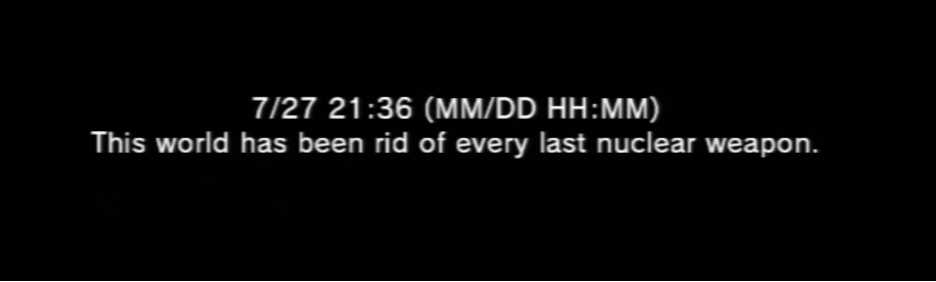
            On June 27, 2020 something inspiring happened that gave hope in a time where there is little. On a 7th generation console from 2006 on 5-year-old multiplayer server, every nuclear warhead was dismantled for PlayStation 3 in Metal Gear Solid 5: The Phantom Pain. This was done without any given objective from the developer nor was any infrastructure put in place to do so. Subreddits were made and alliances were built, R/Philanthropy and R/MetalGearPatriots, respectively. Nuke watchers were ever present hoping to reach a virtual world free of nuclear weaponry. After the impossible was achieved they were treated with a previously known but never authentically unlocked 8 minutes cutscene around the fight against nuclear proliferation and to leave the world as we found it for our children. Although the PS3 reached nuclear peace, the other servers seem to be in a perpetual nuclear age with PC servers carrying 1193 and the PS4 showing an astonishing 2479 nuclear warheads. With both subreddits having over 5000 posts and countless discord replies, why go through all of this effort in creating sides, narratives, friends, enemy, and rallying cries? What do you do in the aftermath of a completed myth?

            Jack, the protagonist from the second game in the series, Metal Gear Solid 2, said it best, “It’s like being a nightmare you can’t wake up from”. The decay of the world seemingly reaching terminal velocity all happening behind our screens is a particular dystopia I don’t think we saw for ourselves; at least so soon. In this techno-psychedelia where certain truths only makes sense depending on what timeline you find yourself on. Mass social labor movements as you click through your stories, race wars centering around a white womans bantu knots on another, and the full transition of a site we used to find our old middle school sweethearts now a swamp of fascist leetspeak. Life can begin to feel like just another day in a war without end where to imagine a world worth fighting follows the law of diminishing returns like driving a car off the lot. The one space we first enjoyed with the bright optimistic potential of a digital utopia was co-opted as the largest vehicle of manipulation through ad-sensed misinformation. The shattered black mirror only presented another empty room to us all.

            Hideo Kojima, an artist seemingly obsessed with this technological anxiety behind and in front of us has been wandering in these Bladerunner backrooms since 1988. Games he made prior to Metal Gear Solid like Snatcher (1988) and Policenauts (1994) spoke of fears surrounding state sanctioned violence spreading past our atmosphere, but it was with Metal Gear Solid for the Playstation in 1998 that elevated his text surrounding the slow, granted stripping of agency in a world that takes the reign of our future and places it in a government funded hard-drive mount. A game about the choices of a hard-nosed veteran, Solid Snake, assigned what was to be his final mission of taking back an Alaskan nuclear warhead testing facility from a group of terrorists, Metal Gear Solid predominately carries theme centered around genetics, political/military corruption, nuclear proliferation and disarmament, cybernetic prosthetics, gene therapy and genetic engineering, child soldiers, and post-traumatic stress disorder but carries a torch in fighting to take back agency in our own lives. That our futures are not dictated by our genes but in our choices. Such comments examined at length in a video game was unheard of at the time in 1998 where the other top games at the time being Legend of Zelda: Ocarina of Time and Banjo Kazooie. Now we have Kojima’s offspring in the ways of Bioshock (2007), Spec Ops: The Line (2012), and just about any game that speaks of player agency in their own postmodern metafictional ludonarrative dissonant ways.

            A series about genes shifted to a series about memes in the follow-up to Metal Gear Solid, Metal Gear Solid 2: Sons of Liberty. Without falling into the endless hypertextural rabbit hole around what the game is and what it’s about, 2001’s MGS2 is a game about the inherent failings of a sequel but it’s also siren cry around the perils of the Information Age we now face today. How the rapid flow of information rids us of any context to understand the world around us, it speaks of echo chambers on forums that carry their own truths while never being able to see other truths in other subcommunities. All this information is “junk data” but who could or should be the curators of the ideas worth passing on? They can’t all come with us and given to future generations. In 2001 (!) MGS2 believes that choice was never in our hands in the first place but in artificial intelligence. That AI term has been moved into the present day under the guise of The Algorithm. Deciding what will be show to us on our feeds. The canary in the coal mine was already dead in 2001 and we’re only coming to terms with the smell in 2020. For almost a two-decade old text, they really nailed it on the head. Honestly, I’ll let the colonel, the who’ve you follow all your order from through all games in the series, say it better than me. (Spoiler warning as this is easily THE cutscene of the entire game; if you do wish to play it then you maybe shouldn’t be reading any of this anyway?)

           first documentation of a video game blackpill?

MGS2 moves its theme from the prison of the body to prison of the mind but still believes in a fight towards living with your own agency in life. That the stories we tell ourselves, and not the ones we’re told, are ones worth fighting for. That words don’t mean so much. We should look past the words to find our own meaning in a world filled with symbols only given meaning by those before us. In all its truth telling, this game still believes in a story; it still thinks the empty room that we awaken in after the nightmare is salvageable.

            14 years later, Metal Gear Solid 5: The Phantom Pain shows us what it’s like to live in that empty room where all we face is our own ineptitude. MGS5is the terminal conclusion of a dream denied. A game about blind revenge and the lies we tell each other to keep that fire alive at all costs, it tells us what a nation-state does when it run out of enemies to supplant their jingoism into. When the memes we tell ourselves run their course. When the flow of information is so fast that history can’t keep us. When poor intentioned American sentiment of solidarity turns into paranoia and imperialism overseas becomes at-home authoritarianism. The two games really document to the pre and post 9/11 American objective quite clearly in my eyes: as MGS2 came out weeks after 9/11 (and had many parts of the game taken out due to taking place around New York), it heeded warning over information, unmediated spread of memetics, and hypertextual discombobulation. MGS5 looks at the carcass of a culture that once stood for something, albeit violence against others, and the endless spiral that can be strewn in every direction, including your own, when your enemy is a just another phantom.

            Culture used to be a very small thing. Whole countercultures distilled into street names, bricks thrown, and seats taken on buses. Now we don’t know how to cope with how much history happens to us every day. The names, the protests, and tragedies coming at such a rate where it’s impossible to reconcile and place within a greater context. So how do we cope? We don’t! They wash over us as we create our own slower, smaller fiction that makes more sense than reality ever could, not unlike what the colonel spoke to in games prior. MGS5 is an ode to the third act of America, where we are no longer the scrappy nation fighting from tyranny nor are we the king of the hill for the rest of the world to look up in jealousy, we’re the snake eating its own tail since we’ve run out of food to eat. How can we create meaning in the abyss?

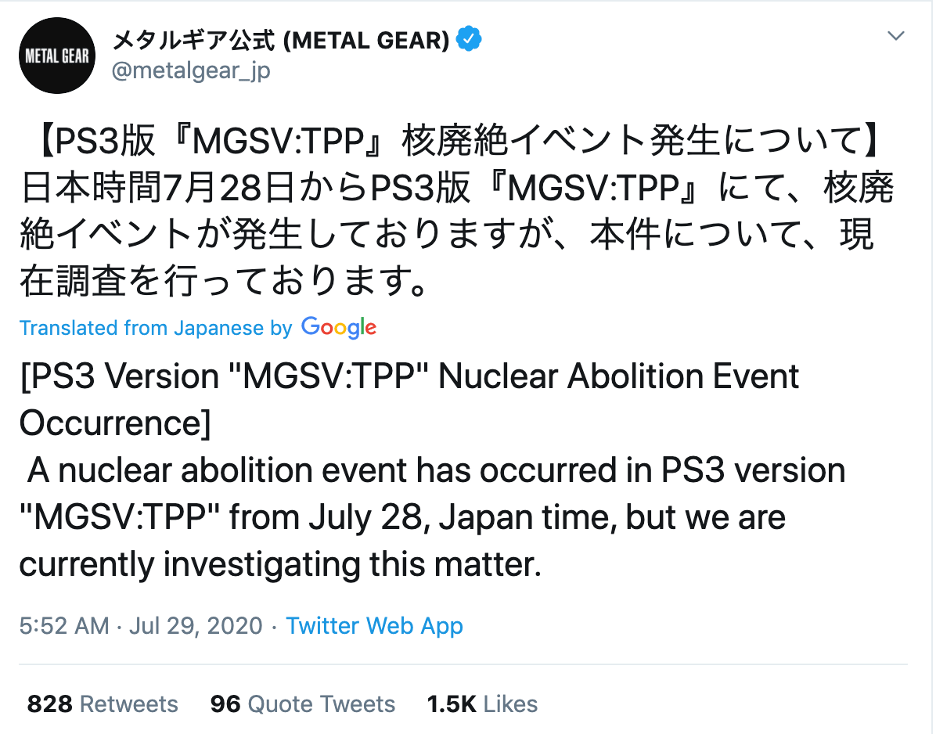
            The players on the PlayStation 3 version of Metal Gear Solid 5: The Phantom Pain created their own meaning in the abyss by creating a problem worth believing in. On R/Philanthropy (now r/metalgearantinuclear) and r/ThePatriots vicious sentiment travelled between cross posts, many would take shifts in the middle of the night to see if nuke we’re being made under the shroud of darkness. Private discord had watchdogs figuring out next steps towards how to avoid hackers and moles infiltrated into their own voice channels. The names are based off of in game organizations: The Patriots Philanthropy being Snake and his partner’s anti metal gear NGO and the Patriots, the metal gear’s equivalent of the deep state. Started in earnest back in March, reddit user u/thehunghorse created a discord server to round up anyone will to get the war count to zero for the first time ever. In an interview with arstechnica, thehunghorse admitted to the beginning issues ,”At first, nothing got done because we simply didn’t have the numbers. But slowly, our numbers grew to 60, 70… It was heartwarming to have everyone come together for this goal. Me and a few other members actually bought a PS3 copy [of Metal Gear Solid V] just to help out”. Planned coordination brought the number of warheads in the thousands in June to just 100 by July and to zero by the end of the month. After they reached the number they had been fighting for all of lockdown, Japan’s Metal Gear twitter account responded quickly but in the way they had hoped. “A nuclear abolition event has occurred in PS3 version of MGSV:TPP from July 28, Japan time, but we are currently investigating this matter.” Was posted the very next day and have yet to confirm Philanthropy’s efforts. Some people feel as if getting confirmation of nuclear abolition day will unlocked some new content in a game that is widely considered to be unfinished, but this is all hearsay and will most likely result to nothing. A discord server can dream, I suppose.

            This journey shows that when your dreams are denied you construct your own approval. And even through all this inane hardship they were still rewarded with Kojima hiding a 8 min cutscene in the game only seen once by hackers fooling servers into thinking the nuke count reached zero over two years ago. Echoing the same sentiments as MGS1 we have a role in not bettering the world but leaving it be for our children to allow them to make their own choices. MGS5 continues to show its prescience even half a decade over in other ways too. A large story beat surrounding MGS5 is the spread of a vocal cord parasite that grows only when certain languages are spoken from the host. In this case, it’s the English language, the world’s lingua franca, to liberate society from the social consciousness of how our brains are shaped by the English language. The coincidence of how predominately English speaking countries refuse to come to grips with our own reality’s global virus where the more we talk the faster this virus spreads is not lost on me through replays of this Sisyphean game about forming an enemy in an empty, endless war. These phantoms also have their own analogs in modern times. In MGS5 its “Cipher” and “Zero”, but in real life its Qanon, the Deep State, and Antifa. We must create our own myths to fight, even if nothing is really there. 

            The reason this series is in the medium of video game in the first place is due to Kojima’s ideas on player agency and how the form of video games can supplant textural narrative, elucidating the passivity of storytelling other media showcase. The character will not progress in the story unless you do, unlike a movie where the story will unfold the same way every time with or without you present. Form and Metal Gear Solid go hand in hand. These games not only speak of agency, but  alsomaterially confront what it means to control an avatar that being controlled by higher power both in game and in real life. In MGS1, the only way to beat a particular boss battle was to switch controller ports from player 1 to player 2 so he could no longer “read your thoughts.” You were expressly told in game by a character that you could only find the phone number for another character by reading the back of the game disc case. These fourth wall breaks were impressive at time but MGS2 took it a step further. Multiple times through the last act you are ordered to turn the game off. That Jack will face continuous hardship as long as we play. That we enjoy all the killing. By holding the controller, we aren’t just a part of the conflict, that we are the source of it. MGS5 provided a more subtle examination with the nuclear proliferation multiplayer component. The only way to stop this is if both side stop playing. Why are the servers still up for a lesser version of a five-year-old game on a console no one plays anymore? Why we’re subreddits and discord servers created for dismantling virtual nukes? Why does this make me happy that people fought for something? Do we enjoy all the killing, the posting, thee tweeting, the in-fighting? Maybe because even if we never arrive at an absolute reality, the joy of believing in something was worth it.

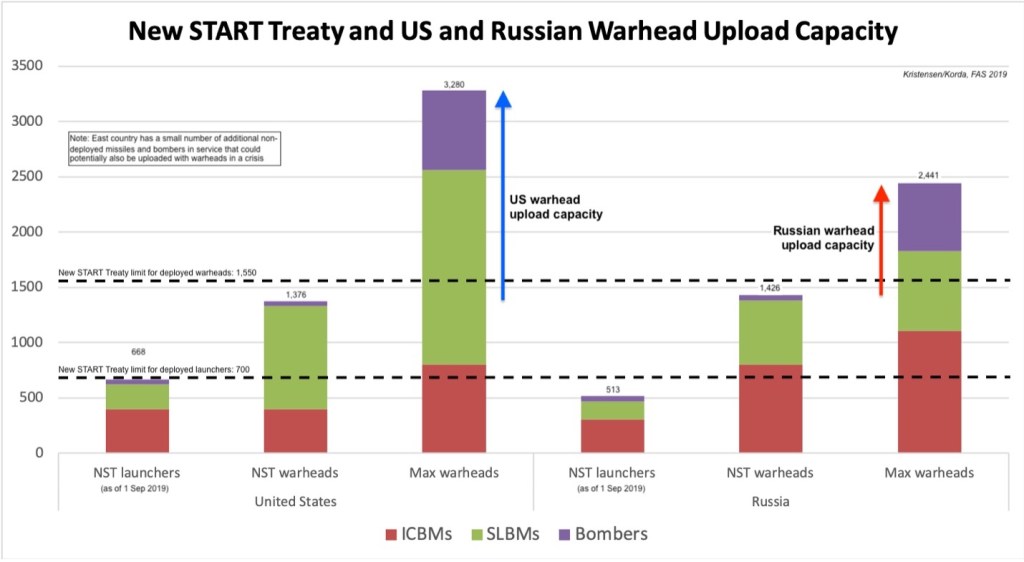
            On June 27, 2020 they’re were 0 nukes, touting a small victory in a subset of an already tiny microcommunity. By August 2, 2020, 40 nukes were back on those PS3 servers,106 at the time of me writing this. In 2021, the START treaty initially made in 1963 will expire, leaving us with nothing towards supervision against facing the second nuclear age. Nuclear proliferation as it happens on servers can now happen in real life with the US and Russia’s arsenal now left unchecked. As Putin states that he happy to extend the treaty without any precondition, the US stalls on signing the extension. The mirrors of conflict face each other in an empty room- battling for a decaying world stripped of its resources and wonder. Do we continue to stare in a never-ending brinkmanship? Do we break these mirrors, or do we walk out the room and build a better one? Whatever we do, we must something. Lest we face just another day in a war without end. 

Biography, Curriculum Vitæ, and Selected Works


Ryan C. Clarke is a tonal geologist from the southeastern banks of the Mississippi. His work in the field of expanded earth science proposes counter-architectures of sociality based on the deltaic processes that built the land his home resides on. His writings and lectures have been published by E-flux, Rhizome, Terraforma, Harvard, and Dweller Electronics where he is a co-editor. 


Editor, Director of Educational Programming, Curator (2020- ) @ Dweller Electronics

Ethnomusicology, M.S (2022-2024) @ Tulane University

Earth and Environmental Sciences, M.S (2019-2021) @ Tulane University

Geological Sciences, B.S (2012 – 2016) + M.S (2016-2018) @ Louisiana State University


Text

Weeping Between the Porch and the Altar: A Localized Typological Analysis of the Ancestry, Form, and Function between the Shotgun Home and New Orleans Jazz” (2024) @ Tulane University

“Nor’easter in Blue (Bird Changes)” (2024) @ Montez Press

Annotation as Inscription as Graffiti” (2024) @ Burnaway

“The Edge of Nothing In Preparation For Their Retrospective Live Show for Dekmantel 2024, Octave One Looks Backs On Their 1998 Landmark Compilation, ‘The Collective'” (2024) @ Dekmantel

Kelela – Cathartic Transcendence” (2023) @ Terraforma Journal #4

“Electronic Cafe for Poetic Computation’s Material Cause for the Immaterial” (2024) @ Recess

Katherine McKittrick, a Conversation on Black Dreamcatchers” (2023) @ Dweller Electronics

Dub as an Act of Love: An Interview with Edward George” (2023) @ Dweller Electronics

A Sediment Diversion for the Audible World” (2022) @ E-flux

Reverse Hallucinations of the Lower Delta” (2020) @ Rhizome

Southern Electronics” (2021) printed in Arena Annual 2021 @ Arena

On Sorry Business in the Posthumous Rap Industry” (2022) @ Hii Magazine

All Feeling”: An Interview with Al Ester” (2021) @ Dweller x 8Ball Radio

‘A Healing Thing’: An Interview with Stacey Hotwaxx Hale” (2021) @Dweller x 8Ball Radio

“Running Out of Space: Drexicya, Boards of Canada, and the 9/11 Digital Psychedelia You Haven’t Processed Yet” (2021) @ Dweller Electronics

The Collapse of Modern Culture (2021) @ Terraforma (Journal #1)

The Myth of Drexicya (2022) @ Terraforma Journal #2

Ghettoville (2014): An Ode to Forgotten Black Geometries” (2020) @ Dweller + printed in Cultural Bulletin Issue E, Jan 2021

Where’s The Drop?: Notes on Dance Music Ecologies” (2021) @ Soap Ear

“Microtuning” (2021) @ LuckyMe Records

“Twin Flames Extinguished: Notes on Karma & Desire” (2021) @ Dweller

Fog Springs Eternal!” (2020) in Black Nationalist Sonic Weaponry by Speaker Music @ Planet Mu

“Mirrors In An Empty Room: Metal Gear Solid and the Catch-22 of Constructing Better Realities” (2021) @ GreyOverBlue

Techno History Library (2020) @ Dweller

Space is Our Place: Notes on Southern Electronics” (2020) @ Dweller

“A Brief History of Techno-fascism, 1976-1996” (2020) @ Dweller

Vertical Sediment Accretion in Jamaica Bay Wetlands, New York” (2018) @ Louisiana State University

Black Care, Blue Notes” (2020) @ Dweller

Fate with Love: Actress – ’88’ Review “ (2020) @ GreyOverBlue

“’We Don’t Come Past Here’: Impressions of ‘T’, a film by Keisha Rae Witherspoon (2020) @ GreyOverBlue

A Lost Care Package” (2019) @ GreyOverBlue

Suffocation of the Void: Hauntology, New Orleans, and Art Neville” (2019) @ GreyOverBlue

A/V

“Living Equipment” @ Triple Canopy + Rivers Institute for Contemporary Art and Thought (2025) (conversation series)

“Techno As A Pedagogy of Suggestion” @ Harvard University, 2023 (lecture)

Ryan Clarke, Season 4 Episode 2 Harvard African American Design Nexus, 2024 (podcast)

“Joy One Mile From Here” (2025) @ Montez Press Radio (Mix)

“A Conversation With Cauleen Smith and Ryan C. Clarke” (2023)

“Group Solo, Mass Choir” @ Marigny Opera House for Rivers Institute for Contemporary Art and Thought, 2024 (Performance)

“Inspiration/Transition: Black Electronic Music Making as Self Possession” @ Electronic Cafe for Poetic Computation, 2023 (lecture)

“Never Created, Never Destroyed” (2023) @ Dweller, debuted at Dweller 2023 (film)

“Social Aid & Pleasure” (2022) @ Dweller, debuted at Dweller 2022 (film)

Ryan C. Clarke and Aria Dean in conversation @ Rhizome, UCI Department of Art, Claire Trevor School of the Arts, and LAX Art

Shirley Sound & Further Processions (2022) @ Frieze Art Fair Los Angeles 2022

Shirley Sound (2021) @ Boiler Room Festival New York 2021

“Nature’s Notifications” (2021) @ Computer Mouse Conference 2021

Tired” Official Video (2018) by Suicideyear @ LuckyMe Records

Hate Songs” (2018) by Suicideyear @ LuckyMe Records, Artwork

Care Forgot: A Southern Electronics Visual Mixtape” (2019) @ Rhizome

Ep. 11 of Silent Reading Hour w/ Sparkle Nation Book Club (2021) @ Montez Press Radio

“WORKER005 (。・ω・。)ノ❤️ Early Works 2012-2019 (。・ω・。)ノ❤️” (2020) @ Worker

Lüisiana Fugiēns” (2020) @ YesWeCannibal

“UNITY MUSIC” (2020-2023) @ 91.5 WTUL New Orleans

Press

“How Dweller Charts a Path Through Black Queer Spaces” (2024) @ Criterion Channel

“With Ryan Christopher Clarke” (2024) @ Eyebeam

Art Militant: Ryan Clarke’s Exploration of Music, Culture, and Earth’s Passage of Time in the Black Community (2025) @ ArtCurrently

Black electronic music’s “radical resonances” to be explored in New York event series, Living Equipment (2025) @ DJ Mag

Triple Canopy and Rivers Institute Collaborate on Black Electronic Music Series (2025) @ Martin Cid Magazine

Ryan C. Clarke | Music as Prophecy (2025) @ Metal Magazine

New York City event series to trace ‘migrations and mutations’ of Black electronic music (2025) @ Resident Advisor (2025)

Well-versed in

Louisiana Geological History, New Orleans Ethnomusicological Histories, Sedimentology, Grain Size Analysis, Vibracore/Multicore/Auger Sampling and Analysis, Coastal Dynamics, Sequence Stratigraphy, Radiocarbon Age Dating, Geochronology Gamma Dating, ARCGIS Data Interpretation, Curating Festivals, Programming, Radio Hosting, Podcasting, Editing & Publishing articles

Technical Skills

Microsoft Suite, Genie 2k, MSCL 7.9, Sigmaplot, ArcMap 10.1, LS 13 320 Laser Diffraction Particle Size Analyzer, Adobe Photoshop CS7, Ableton 10 Live Suite, WordPress, Audacity, GarageBand, Rekordbox, Serato, Final Cut Pro, and a wide array of audio devices

Honors, Awards, and Leadership Activities

GSSA Representative for Tulane’s Earth and Environmental Sciences Department, 2020-2021

Critical Minded Grant for Dweller Electronics, 2021

Member of the National Society of Collegiate Scholars, 2012-2016

Vice President of LSU Geology Club, 2015

Member of the American Geophysical Union

Recipient of the LSU Staff Senate Scholarship, 2012

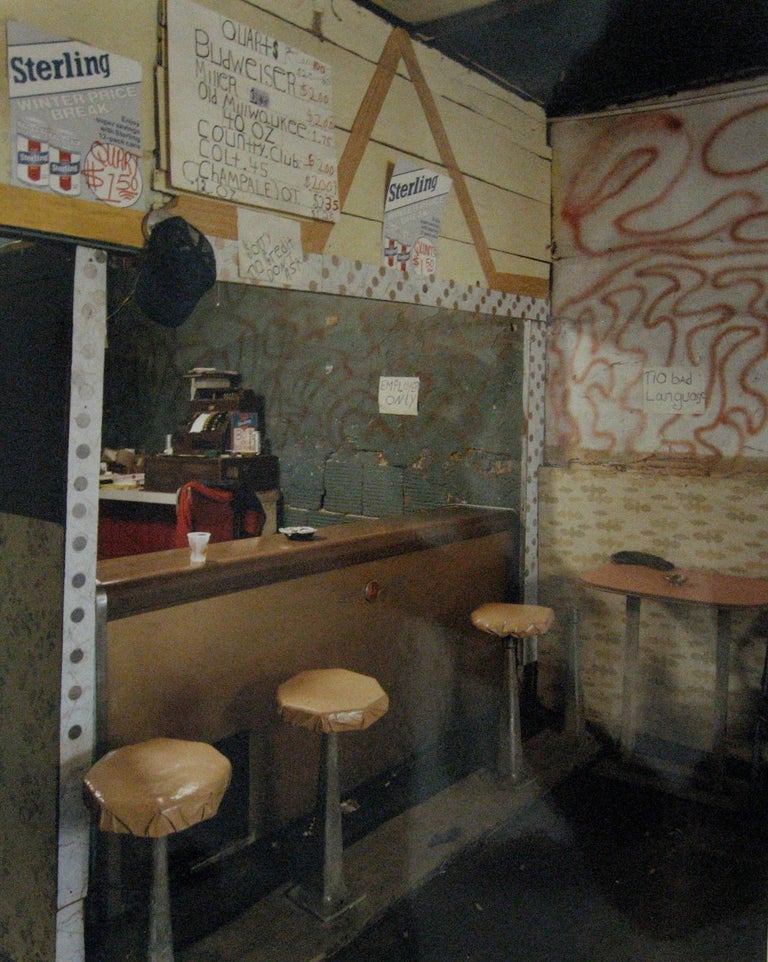
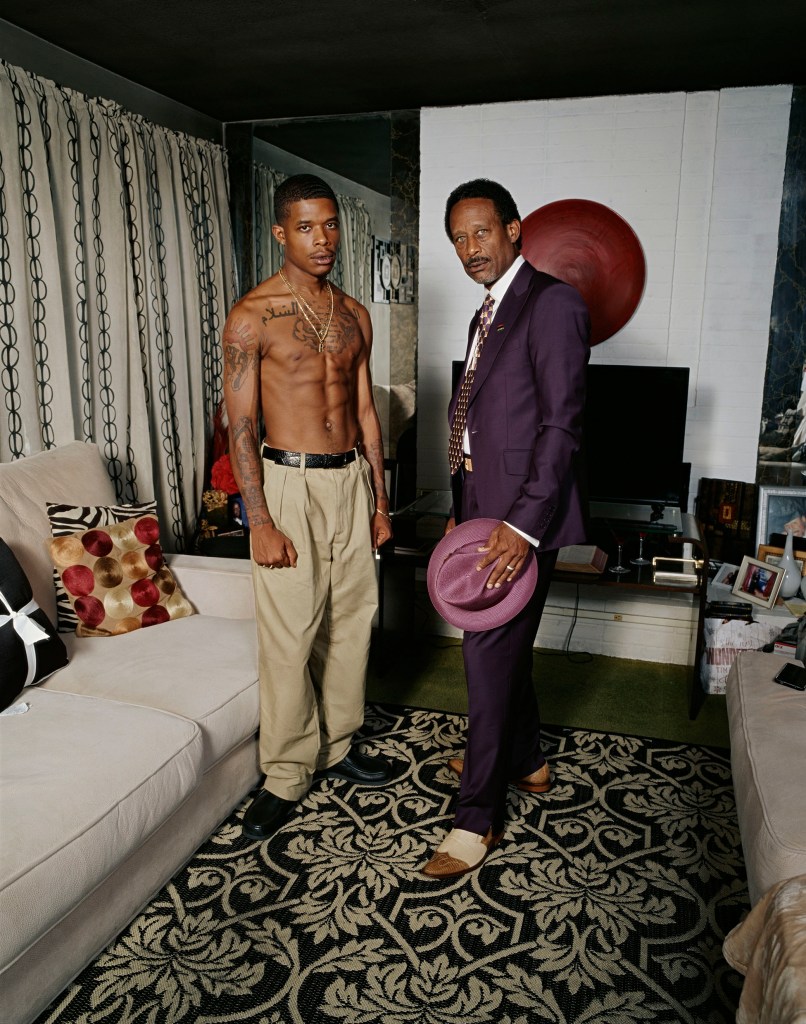
photography by S*an D. Henry-Smith